Maintaining Sterility Quality in Barbering Facilities through Thorough Sanitization of Instruments
Wiki Article
Upkeeping robust benchmarks of cleanliness in grooming establishments is vital for shielding both patrons and employees from possible contamination. Hair salons are environments where sharp instruments and grooming equipment come into close contact with dermal layers, strands, and at times slight abrasions. This renders comprehensive washing and disinfection a critical practice to reduce the propagation of germs, pathogens, and molds. By applying consistent sanitation procedures, groomers can establish a cleaner setting, comfort customers, and adhere with health regulations that control licensed barber shops.
Effective disinfection of tools starts with understanding the variation between scrubbing, decontaminating, and sterilizing. Cleaning eliminates visible particles such as follicles, dermal flakes, and product residue, while sanitizing decreases the level of dangerous microorganisms to a controlled standard. Complete disinfection extends by removing nearly all types of microbial life, including spores. Equipment such as shears, razors, styling tools, and hair cutters must undergo appropriate processes to guarantee that each step satisfies sanitation requirements. Employing EPA-approved chemical agents and adhering to the instructions ensures that instruments are both secure to use and long-lasting over time.
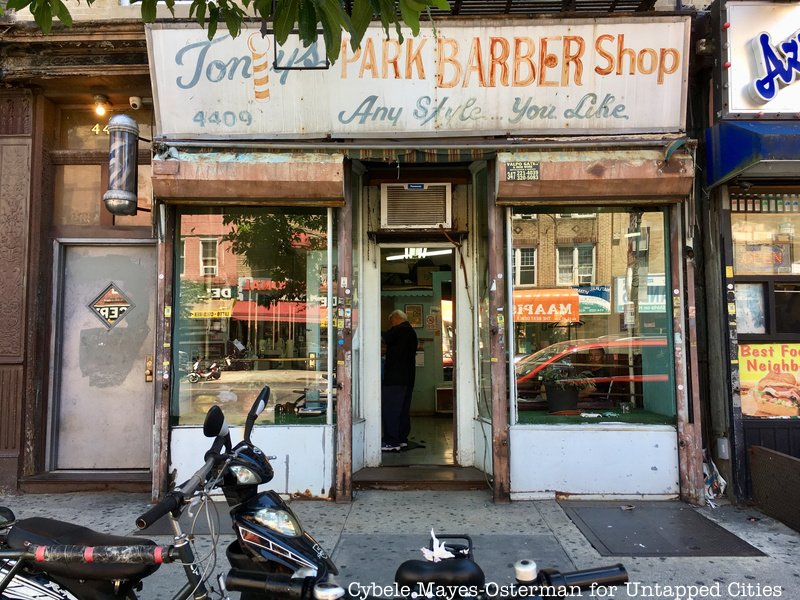
Barber shops must also consider the organized management and placement of disinfected instruments. Equipment that have been disinfected or cleaned should be maintained in a dry, controlled environment to reduce cross-contamination. Specific storage containers, UV storage boxes, or protective pouches can protect instruments from environmental germs. Additionally, barbers should practice the routine of labeling sterilized equipment and rotating them frequently to ensure consistent cleaning protocols. A organized approach to instrument handling not only strengthens hygiene but also shows professionalism to patrons.
Educating barbers on correct sanitation techniques is another essential factor in maintaining sanitation protocols. Stylists and salon employees should get instruction on correct hand sanitation, glove protocols, and the disinfection of common surfaces such as chairs, tables, and washbasins. Frequent instruction sessions and inspections maintain that hygiene practices remain uniform across the establishment. Instructing staff about the hazards of infection explanation spread and the value of adherence fosters a environment of safety and professionalism within the barber shop.
Ongoing monitoring and upkeep of useful source cleaning tools also maintain sanitation standards. Steam units, vibration cleaners, and chemical disinfectants must be tested for performance, and any faulty tools should be serviced promptly. Using a documented sanitation protocol and maintaining detailed logs of cleaning schedules additionally enhances compliance with regional health regulations. By integrating effective instrument cleaning, structured storage, workforce instruction, and equipment maintenance, hair salons can ensure visit page a clean, reliable environment that protects the safety of all customers.